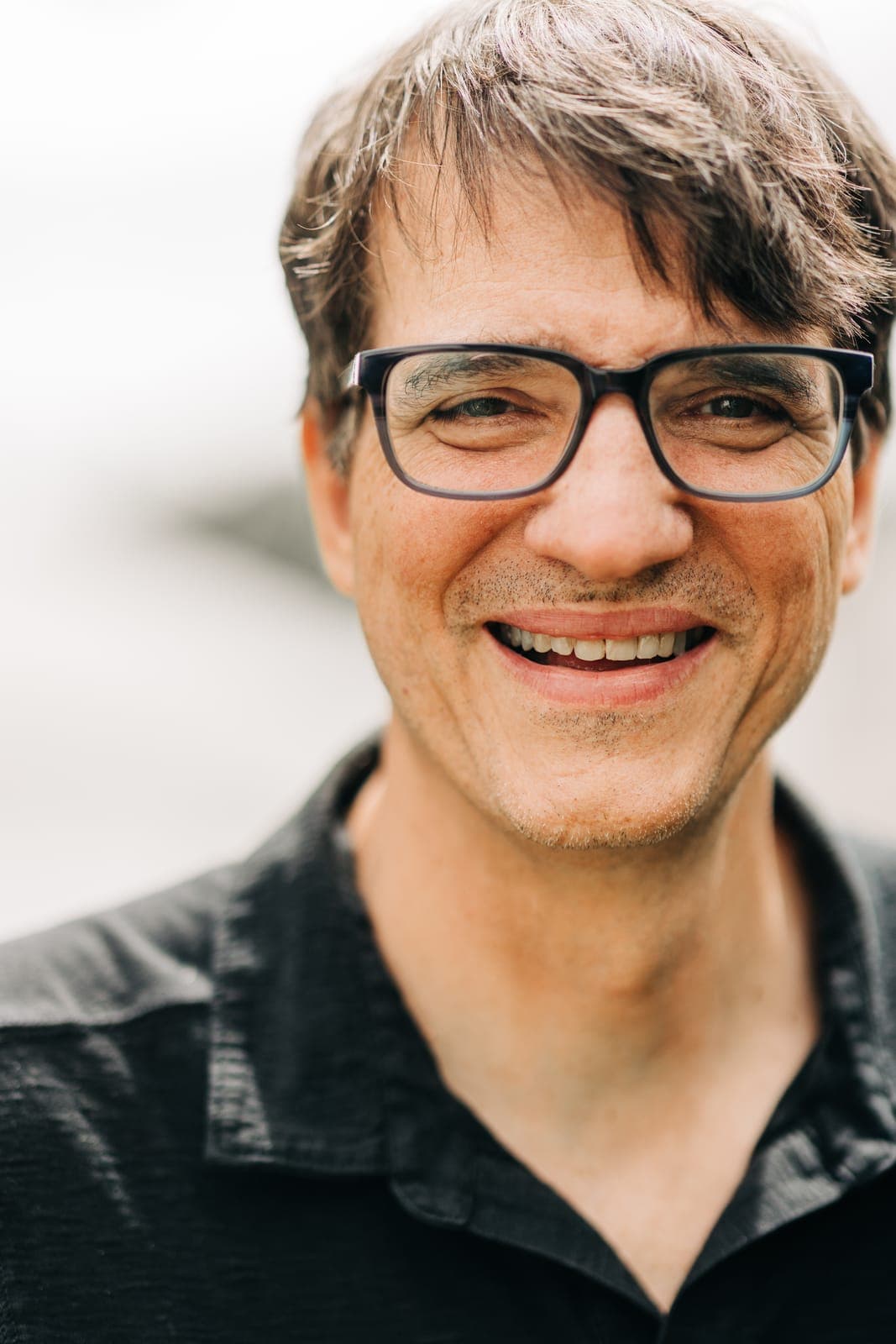
I’ve spent a lot of my life around music. But some of the most important music I’ve ever made wasn’t on a stage.
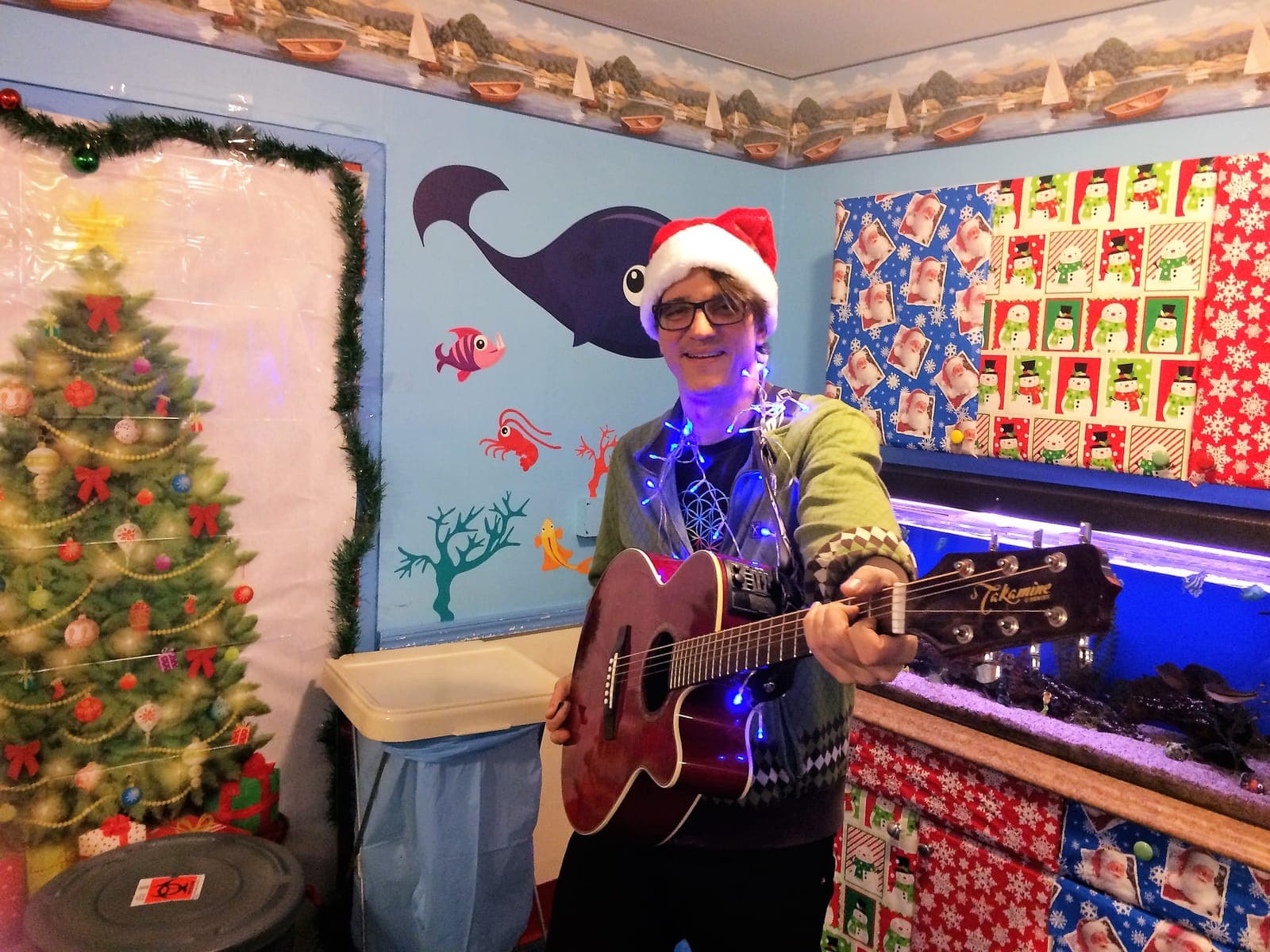
For about 15 years, I volunteered weekly with The Art of Elysium, bringing music and creativity into hospitals and spending time with kids and patients who were going through things no one should have to go through.
I met people like Ernie.
Ernie loved my visits. The music mattered, of course, but it was bigger than the songs. For a little while there was connection, laughter, and something different to look forward to.
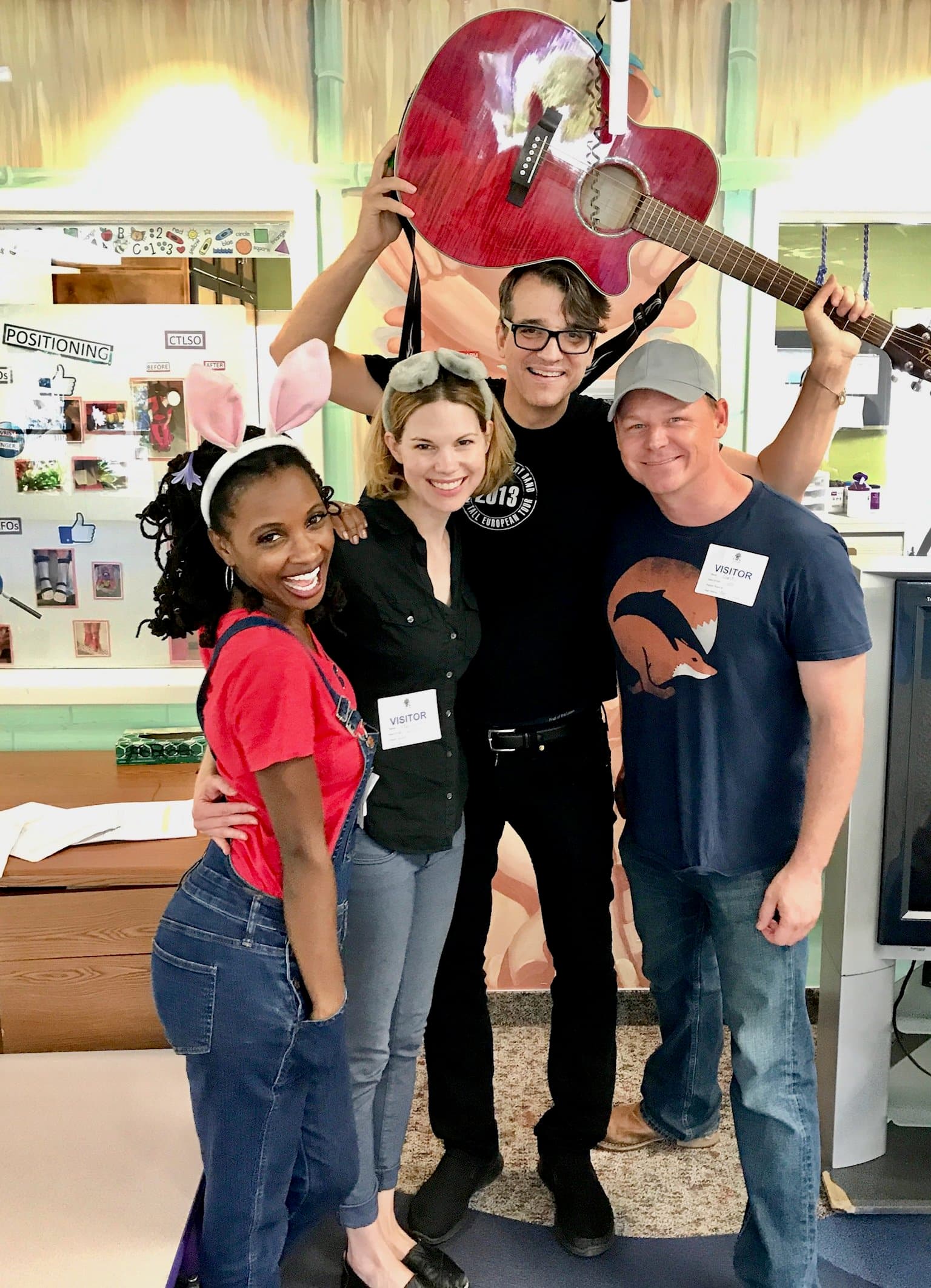
I saw it again and again with the kids I visited in hospitals, and everywhere else kids got to make music. My mom was a schoolteacher, and we did entire live programs together: me dressed as Uncle Sam, teaching kids about the U.S. Constitution and the fifty states! Years later, those recordings still circulate among teachers and kids, helping them learn.
Music changes the room.
And over the years, I started thinking more deeply about what happens when we give kids those experiences early.
Because teaching a young child music isn’t really just teaching music.
Music is practice for being human.
Practice for community, connection and kinship with others.

In my conversations with Laura Porter, founder of Bloom Arts Foundation, I was struck by her passion for the curriculum Bloom has built. Their approach gives kids real tools: skills that stay with them long after music class ends. These six practices are my summary of what I learned from her, and of what Bloom’s music programs set out to give every child.
Open any card to see what it can look like in a classroom.
A child learning rhythm is learning how to find their place in something.
What this looks like in a classroom
The teacher claps a four-beat pattern and the class claps it back, then again a little faster. When someone slips off the beat, nobody stops; they listen for the pulse and step back in. Finding your way back in is the whole lesson.
A child learning to listen in an ensemble is learning that what someone else is doing matters.
What this looks like in a classroom
When a classmate takes a solo, everyone else plays softer so it can be heard. The kid who usually plays loudest notices, and pulls back without being asked. Listening starts to look a lot like respect.
Finding their voice teaches them that their own ideas matter too.
What this looks like in a classroom
A quiet student suggests the song needs a pause before the last line. The class tries it, and it works. Hearing your own idea come back as music tells you something no compliment can.
Taking a turn leading builds confidence.
What this looks like in a classroom
A student steps to the front and counts the group in: one, two, three, four. For a few bars the whole room follows their tempo. Then they hand the job to someone else and rejoin the group.
Playing in an ensemble teaches collaboration, flexibility and responsibility.
What this looks like in a classroom
One kid keeps a steady shaker, another plays two notes on a xylophone, a third sings the melody. None of the parts sounds like much alone; together they are a song. Everyone learns the whole thing depends on them showing up for their part.
Creating something original teaches perhaps the most important lesson of all: I can make something that didn’t exist before.
What this looks like in a classroom
The class picks a feeling, maybe a rainy Saturday, and builds a short piece about it: a rhythm, a few notes, a line or two of words. By the end of the hour there is a song that didn’t exist that morning, and everyone in the room helped make it.
The six practices: with thanks to Laura Porter and Bloom Arts Foundation. The classroom examples are illustrations of what each practice can look like anywhere. They don’t describe a specific school, teacher or student.
Those skills matter far beyond a music classroom.
And I believe they’re becoming even more important as technology and artificial intelligence change the world our kids will grow into.
We don’t know exactly what jobs today’s children will have.
We do know they’ll need to listen. Collaborate. Adapt. Lead. Express ideas. Create things. Work with other people. And believe that they have something worth contributing.
Those are creative skills.Those are human skills.
And music is one of the most extraordinary playgrounds we’ve ever invented for developing them.
That’s where GenC comes from.
GenC is an experiment in connecting something millions of us already do every morning with something I believe deserves more support.
Coffee.
Every qualifying bag sold through GenC generates $10 for music and creative education, beginning with our campaign supporting Bloom Arts Foundation.
You get great coffee.Together, we help put more creativity into kids’ lives.
And hopefully we build something much bigger along the way.
Because the goal isn’t simply to teach more kids how to play music. It’s to help more kids discover what they’re capable of creating.
Happy MontanaFounder, GenC